Written by: Dr. Vincent Lee Han Hing
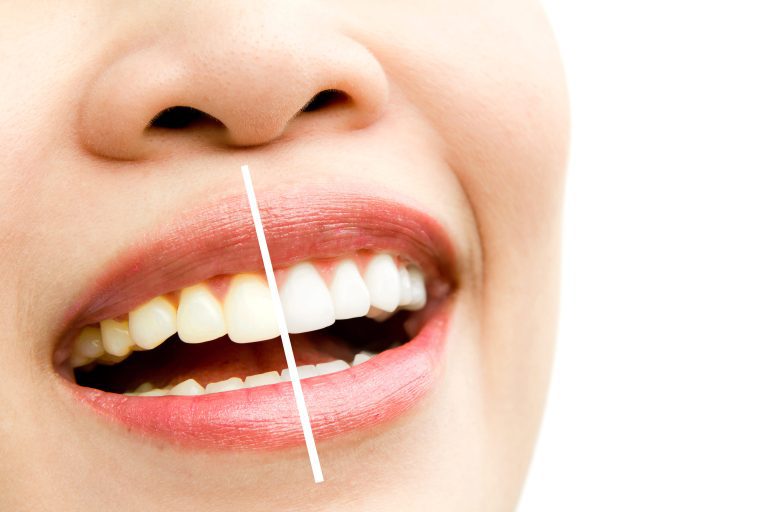
You brush twice a day for the full two minutes, floss consistently, and use mouthwash, yet your teeth still appear yellow instead of bright white. This can feel frustrating and confusing.
Many people assume yellow teeth indicate poor hygiene, but that is not always the case. You can have healthy gums and no decay while still experiencing discolouration.
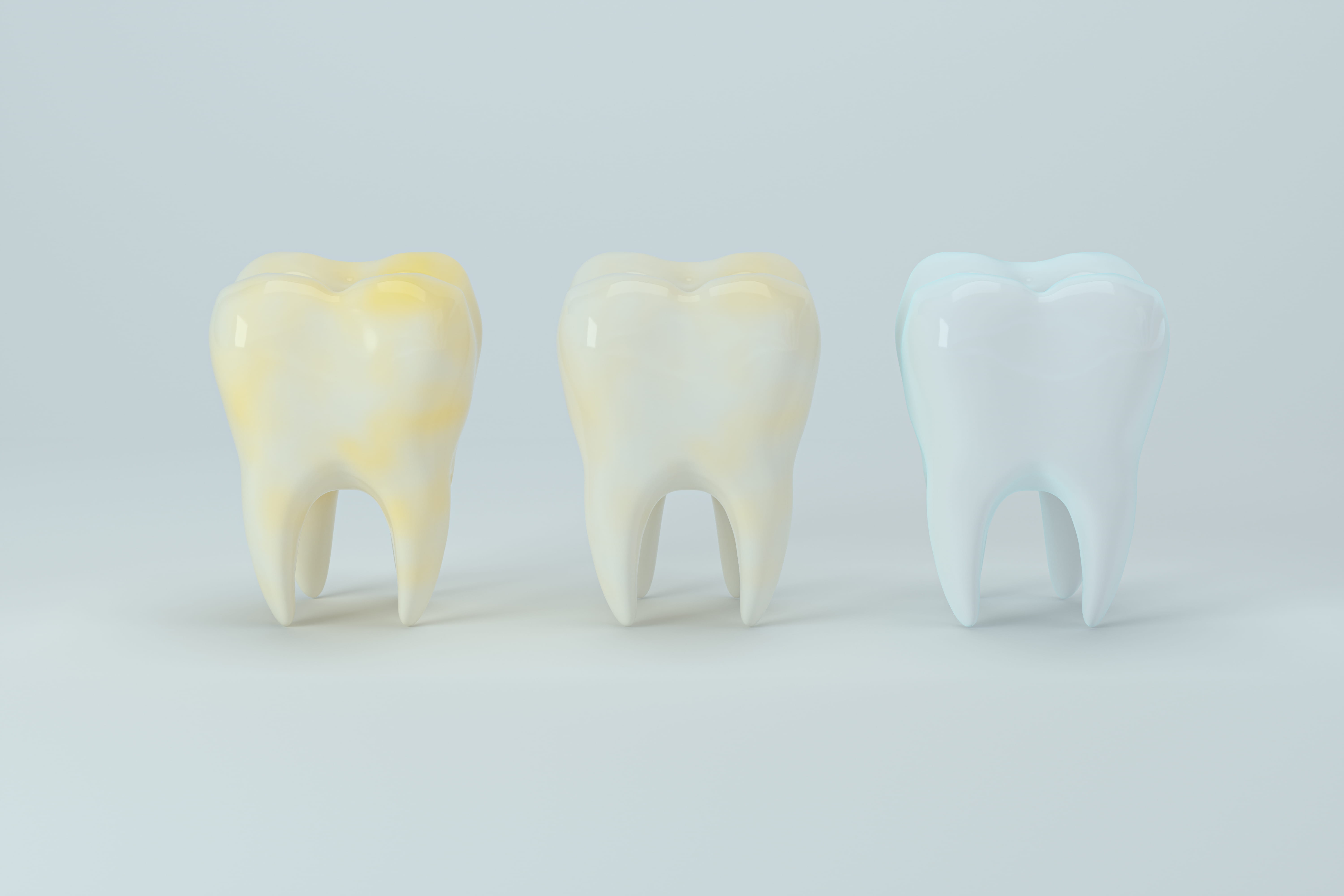
Tooth colour is influenced by genetics, enamel thickness, dentin shade, ageing, and other biological factors that brushing cannot change. While surface stains contribute, much of the colour comes from within the tooth.
This guide explains why teeth may look yellow despite good oral care, the science behind tooth colour, and safe ways to improve brightness without damaging enamel.
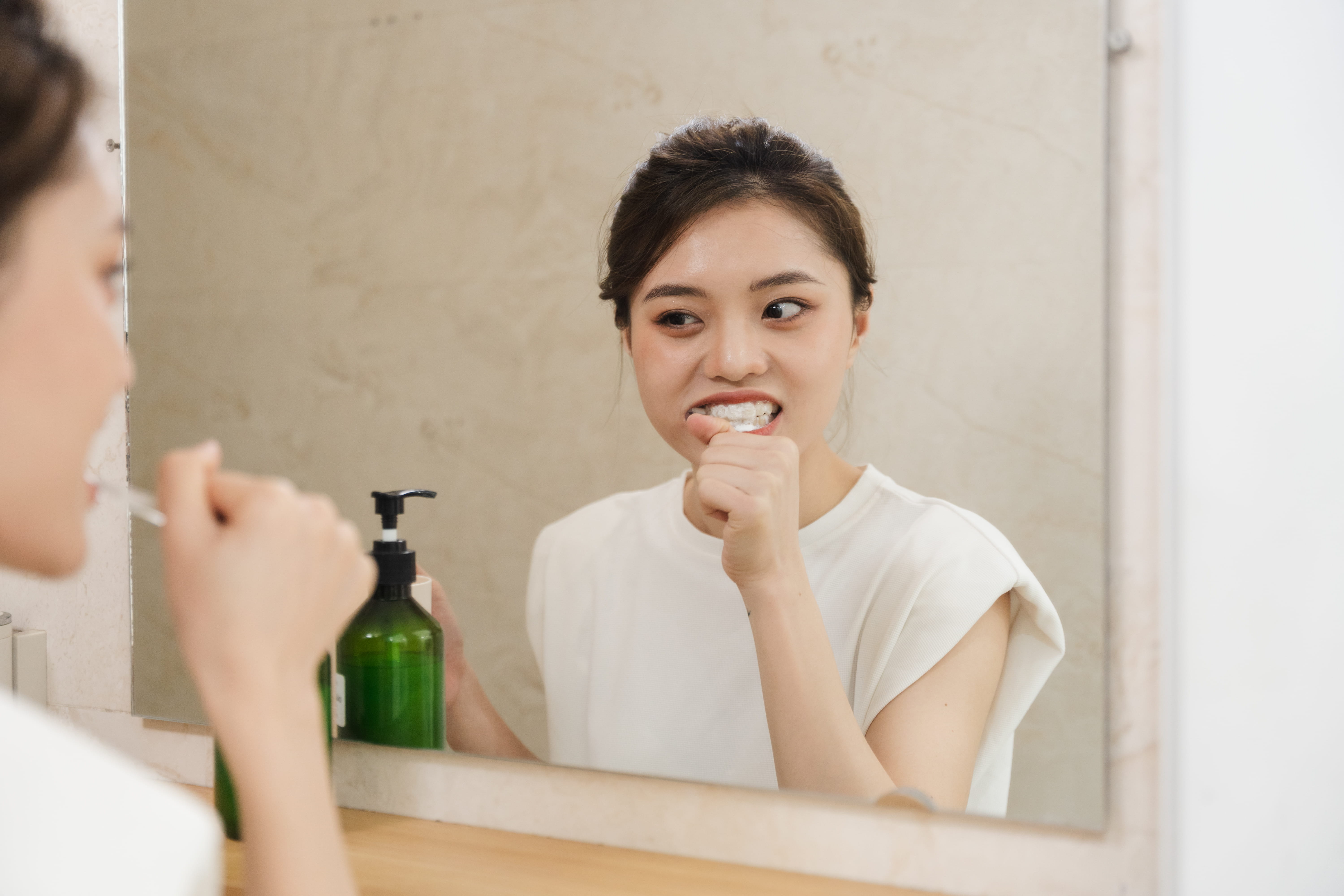
Brushing and flossing are designed for mechanical cleaning. They remove plaque, bacteria, and food debris from the tooth surface and gum line, helping prevent decay and gum disease.
They also reduce extrinsic stains, which are surface stains from coffee, tea, tobacco, or food pigments. Toothpaste can polish these away to some extent, improving surface brightness.
However, brushing cannot change intrinsic tooth colour. The natural shade of your teeth is determined by the internal structure, specifically the enamel and the yellow dentin beneath it. Surface cleaning cannot alter this internal colour. In fact, brushing too aggressively can wear down enamel and make teeth appear more yellow over time.
Key Takeaway:
Brushing and flossing keep your teeth clean and prevent decay, but they cannot change the natural colour of your teeth. Aggressive brushing may even make teeth look yellower by wearing down enamel.
To grasp why teeth look yellow, we need to look at the anatomy of a tooth. There are two main layers that dictate colour: enamel and dentin.
The outer layer of your tooth is called enamel. It is the hardest substance in the human body. Contrary to popular belief, enamel is not naturally stark white; it is semi-translucent and has a blueish-white tint. Think of enamel like a frosted glass window. It protects the tooth, but because it is not opaque, it allows light to pass through it.
Underneath the enamel lies the dentin. This makes up the bulk of the tooth structure. Dentin is naturally yellow, ranging from pale yellow to a deeper brownish-yellow, depending on your genetics.
The final colour of your teeth is essentially an optical illusion created by these two layers.
Therefore, if you have naturally darker dentin or thinner enamel, your teeth will appear yellow regardless of how clean the surface is. This is not a hygiene failure; it is simply biology.
Beyond the basic anatomy, several biological processes can accelerate yellowing or make it more pronounced. These factors often operate silently, affecting the tooth structure from the inside out or creating environments where stains settle more easily.
Saliva is the unsung hero of oral health. It removes food debris, neutralizes harmful acids produced by bacteria, and provides minerals (such as calcium and phosphate) that help strengthen enamel.
Chronic dry mouth, or xerostomia, disrupts this protective system. Without enough saliva, acids sit on your teeth for longer periods. This leads to acid erosion, which thins the enamel. As we established, thinner enamel reveals more of the yellow dentin beneath. Additionally, without the washing action of saliva, pigments from food have more time to latch onto the tooth surface.
Do you wake up with a sore jaw or a headache? You might be grinding your teeth in your sleep, a condition known as bruxism. While often associated with jaw pain, bruxism is a major contributor to yellowing.
The constant friction of grinding acts like sandpaper on your teeth. Over time, it physically wears down the enamel layer, making it thinner and exposing the yellow dentin. Furthermore, the immense pressure can create millions of microscopic cracks in the enamel. These micro-cracks act like tiny traps for pigments, allowing stains to penetrate deeper into the tooth where a toothbrush cannot reach.
If you want to protect your enamel and reduce yellowing, learn how to stop teeth grinding
Certain medications can influence tooth colour, both directly and indirectly.
Your teeth are living tissues that require nutrients to stay robust. A deficiency in calcium or Vitamin D can compromise the strength of your enamel. Weaker enamel is more porous and susceptible to erosion, making it easier for the underlying yellow dentin to show through and for external stains to take hold.
While biology plays a significant role, our daily habits can significantly impact the shade of our smile. Even with brushing, these lifestyle factors can overpower your hygiene routine.
You likely know that what you eat affects your waistline, but it also affects your smile. Foods and drinks with intense colour pigments (chromogens) are notorious for staining.
Tobacco use is one of the fastest ways to yellow teeth. Nicotine and tar are stubborn substances that can penetrate the microscopic pores of the enamel. While tar is naturally black, nicotine turns yellow when mixed with oxygen. This creates a deep, intrinsic-like stain that is very difficult to remove with standard brushing.
Vaping is often marketed as a cleaner alternative, but it poses its own risks. Many vape liquids contain chemicals that reduce saliva production, leading to the same dry mouth issues that cause enamel erosion.
It seems counterintuitive, but trying to scrub your yellow teeth harder can actually make them yellower.
If you brush too aggressively, use a hard-bristled toothbrush, or use highly abrasive “whitening” toothpastes and charcoal powders, you are slowly sanding away your enamel. As you wear that white protective layer down, the yellow dentin becomes more visible. Once enamel is gone, the body cannot regenerate it. This is why gentle consistency is far superior to aggressive scrubbing.
There is often confusion about what happens during a dental hygiene appointment. Patients often expect to leave the chair with a Hollywood-white smile, but a “scale and polish” is a health treatment, not a cosmetic one.
During a professional cleaning, the hygienist or dentist removes tartar (hardened plaque) and surface stains.
Understanding this distinction is vital to managing expectations. A cleaning makes your teeth healthy; it does not necessarily make them white.
If yellow teeth aren’t an indicator of poor hygiene, how do you know if you are doing a good job? It is helpful to shift your focus from aesthetics to health markers. A healthy mouth has distinct characteristics regardless of tooth shade.
Pink, Firm Gums
Your gums should be light pink (depending on your skin tone) and firm to the touch. They should not bleed when you brush or floss. Bleeding is a sign of inflammation (gingivitis), not yellowing.
Smooth Tooth Texture
When you run your tongue over your teeth, they should feel smooth and glass-like. If they feel fuzzy or rough, that indicates plaque buildup.
Fresh Breath
Chronic bad breath can signal gum disease or decay. If your breath is generally fresh, your hygiene routine is likely working well.
No New Cavities
The ultimate sign of effective brushing and flossing is the absence of decay. If you visit your dentist and receive a clean bill of health, your routine is successful, even if your teeth are naturally cream or yellow-coloured.
Just because yellowing is natural doesn’t mean you have to accept it if it makes you unhappy. However, it is crucial to approach whitening safely to avoid further damaging your enamel.
Before treating the problem, determine the source. If your teeth are yellow due to thin enamel, abrasive whitening toothpastes will only make it worse. If it is surface staining from coffee, lifestyle changes will be more effective. A dentist can help you diagnose the specific cause.
Small changes can prevent further staining and erosion:
If you want to safely lighten your teeth, teeth whitening is the most effective option.
It is easy to fall into the trap of thinking that white teeth equal healthy teeth and yellow teeth equal unhealthy ones. This is simply not true. You can have brilliant white teeth with cavities, and yellow teeth that are perfectly strong and plaque-free.
If you brush and floss daily but still notice a yellow tint, be kind to yourself. It is likely a sign that your body is functioning normally, your enamel is aging naturally, or your genetics are simply expressing themselves.
By understanding the difference between surface stains and natural tooth structure, you can stop “punishing” your teeth with aggressive scrubbing and start caring for them in a way that preserves their strength. If brightness is your goal, speak to a dental professional. They can guide you toward solutions that enhance your smile without compromising the health of the teeth you work so hard to clean.
Copyright © 2024 Hello Dental Clinic. All Right Reserved.
475, Jalan Sultan Azlan Shah,
Taman Million,
51200 Kuala Lumpur
Mon-Fri: 09:00-19:00
Sat-Sun: 09:00-17:00
V06-02-05, Signature Retail Lot,
Sunway Velocity,
Lingkaran SV, Jalan Shelley,
55100 Cheras KL
Mon-Fri: 09:30-21:00
Sat-Sun: 09:00-18:00
2-02, Level 2, Wisma Conlay,
No.1, Jalan USJ 10/1,
Taipan Business Centre,
47620 Subang Jaya, Selangor
Mon, Tue, Fri: 10:00-18:30
Wed, Thu: 10:00-21:00
Sat, Sun: 09:00-15:30
G-8, Idaman Robertson,
No. 2, Jalan Robertson,
50150, Kuala Lumpur.
Mon, Thur: 11:00-20:00
Tue, Wed, Fri: 09:30-21:00
Sat, Sun: 10:00-19:00
No. 2-2 (Second Floor),
Jalan Solaris 5,
Solaris Mont Kiara,
50480 Kuala Lumpur
Mon-Fri: 10:00-19:00
Sat-Sun: 10:00-18:00