
Do you often wake up with a sore jaw, a dull headache, or sensitive teeth? You might be grinding your teeth at night without even knowing it. This common condition, known as bruxism, affects millions of people and can have a significant impact on your dental health if left unaddressed.
Teeth grinding involves clenching, gnashing, or grinding your teeth, usually during sleep (sleep bruxism) but sometimes while awake (awake bruxism). While it might seem harmless, the constant pressure can lead to worn-down enamel, cracked teeth, and persistent pain in your jaw, head, and neck. Understanding what causes bruxism and how to manage it is the first step towards protecting your smile and improving your overall well-being.
This guide will explore the common causes and symptoms of teeth grinding. More importantly, it will provide eight practical ways to stop or reduce this habit. By the end, you’ll have a clear understanding of the steps you can take to protect your teeth and find relief.

Teeth grinding can happen for a few different reasons, and most of the time, it’s not just one single cause. It’s usually a mix of habits, stress, and how your teeth or jaw naturally sit. Understanding what might be triggering it is the first step toward finding the right solution.
Stress is one of the most common reasons people grind their teeth — often without even realising it. You might clench your jaw when you’re focused, frustrated, or feeling overwhelmed. At night, those same feelings can show up as grinding while you sleep. Busy schedules, work pressure, and everyday worries can all play a part.
Teeth grinding is sometimes linked to sleep problems, especially conditions like sleep apnea. When your breathing is interrupted during sleep, your body may respond by clenching or grinding to reopen the airway. If you snore loudly or wake up feeling tired, a sleep issue could be contributing to your grinding.
If your bite doesn’t fit together comfortably, your jaw may shift or move in ways that lead to grinding. Crooked, crowded, or missing teeth can make it harder for your jaw to rest naturally, which can put extra pressure on your teeth and jaw muscles.
Some everyday habits can also increase the chances of grinding. Caffeine, alcohol, and smoking can all make your muscles more active at night, which may lead to clenching or grinding. A few medications, especially certain antidepressants, can also have teeth grinding as a side effect.
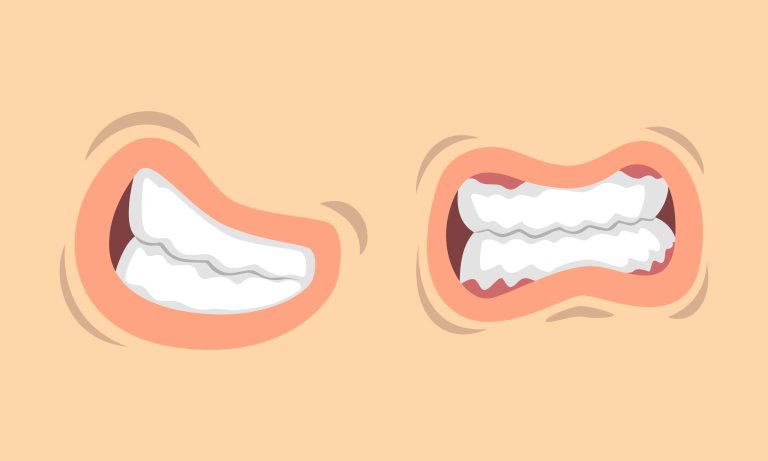
Teeth grinding can present in different ways, and understanding the type you’re experiencing can help you figure out what’s happening with your jaw and teeth. There are two main types: one that occurs while you’re awake, and one that happens while you’re asleep.
Awake bruxism happens during the day, usually when you’re stressed, focused, or deep in thought. You might catch yourself clenching your jaw without realizing it, or notice that your jaw feels tired by evening. It’s often a habit that sneaks up on you when your mind is busy.
Sleep bruxism happens at night, so most people don’t realise they’re grinding until someone else mentions it or a dentist spots the signs. If you wake up with a sore jaw, headaches, or sensitive teeth, your jaw might be working overtime while you sleep. Stress and sleep interruptions can make this type more likely.
Teeth grinding might seem harmless at first, but over time, it can put significant pressure on your teeth and jaw. Catching it early can save you from bigger issues later on.
Because teeth grinding often happens while you’re asleep, it can be easy to miss. Most people only realise something’s going on when the symptoms start to show up.
Here are a few signs that suggest your jaw has been working harder than it should.
If you’re starting to notice jaw pain, morning headaches, or extra sensitivity in your teeth, it’s a good idea to check in with your dentist. A quick visit can help confirm whether teeth grinding is the cause and give you clarity on what’s really going on.
Your dentist will look for signs of wear, jaw muscle tension, and any changes in your bite. Getting the right diagnosis early means you can start treatment sooner and prevent small issues from turning into bigger problems later on.
If something doesn’t feel right, don’t wait it out. Reaching out now is the best way to protect your teeth, ease your symptoms, and get back to feeling comfortable again.
Before teeth grinding becomes a bigger problem, there are plenty of easy habits and lifestyle changes that can help. Here are eight practical ways to ease the strain on your teeth and jaw.
Stress is one of the most common reasons people grind their teeth, especially at night.
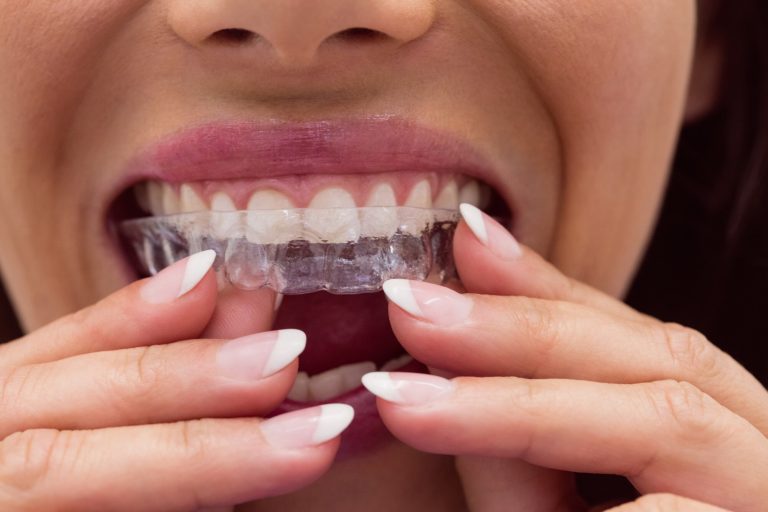
A mouthguard creates a protective cushion between your teeth while you sleep. You can buy one in stores, but a custom guard from your dentist fits better and gives stronger protection against grinding.
Sometimes grinding happens because your teeth don’t line up properly. Straightening your teeth with braces, Invisalign, or small bite adjustments can help your jaw relax naturally.
Caffeine and alcohol can make your muscles more active while you sleep, which can worsen grinding. Try reducing coffee, tea, and energy drinks in the evening and limit alcohol before bed.
Gentle exercises can teach your jaw to relax.
These small habits can help retrain your muscles over time.
If you catch yourself clenching during the day, biofeedback may help. A therapist uses small sensors to alert you when your jaw muscles tense up, allowing you to learn to relax them consciously.
For people with persistent, severe grinding that doesn’t respond to other methods, Botox injections into the jaw muscles can reduce the force of grinding. It won’t affect your ability to chew, but it just helps soften the pressure.
A peaceful bedtime routine helps your jaw and your whole body relax.
Anything that helps you unwind can lead to a more restful, grind-free sleep.
Teeth grinding may seem like a small habit, but its impact on your teeth, jaw, and overall comfort can grow over time if it’s not managed. By understanding the common causes of stress and sleep disorders, including misaligned teeth and lifestyle factors, you’re already taking an important first step toward protecting your smile.
The eight strategies outlined in this guide give you practical, achievable ways to reduce grinding and ease its symptoms. Whether it’s managing stress, improving your sleep routine, wearing a custom mouthguard, or correcting bite issues, even small changes can make a meaningful difference.
If you’re noticing persistent jaw pain, headaches, worn teeth, or sensitivity, don’t wait for the problem to worsen. Hello Dental can help you identify the underlying cause and recommend the right approach to protect your teeth for the long term.
Copyright © 2024 Hello Dental Clinic. All Right Reserved.
475, Jalan Sultan Azlan Shah,
Taman Million,
51200 Kuala Lumpur
Mon-Fri: 09:00-19:00
Sat-Sun: 09:00-17:00
V06-02-05, Signature Retail Lot,
Sunway Velocity,
Lingkaran SV, Jalan Shelley,
55100 Cheras KL
Mon-Fri: 09:30-21:00
Sat-Sun: 09:00-18:00
2-02, Level 2, Wisma Conlay,
No.1, Jalan USJ 10/1,
Taipan Business Centre,
47620 Subang Jaya, Selangor
Mon, Tue, Fri: 10:00-18:30
Wed, Thu: 10:00-21:00
Sat, Sun: 09:00-15:30
G-8, Idaman Robertson,
No. 2, Jalan Robertson,
50150, Kuala Lumpur.
Mon, Thur: 11:00-20:00
Tue, Wed, Fri: 09:30-21:00
Sat, Sun: 10:00-19:00
No. 2-2 (Second Floor),
Jalan Solaris 5,
Solaris Mont Kiara,
50480 Kuala Lumpur
Mon-Fri: 10:00-19:00
Sat-Sun: 10:00-18:00