Written by: Dr. Chang Yi Khuan
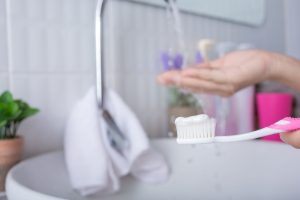
We all know the feeling of running a tongue over freshly brushed teeth, smooth, clean, and refreshing. But oral hygiene goes far deeper than just pearly whites and minty breath. It is the gateway to your overall well-being.
Your mouth is a window into the health of your body. It may indicate nutritional deficiencies or a general infection. Systemic diseases that affect the entire body may first present with oral lesions or other oral problems. Conversely, the bacteria in your mouth can cause infection in other parts of the body if not managed properly.
Neglecting oral care doesn’t just lead to cavities; it has been linked to heart disease, diabetes complications, and respiratory infections. By understanding the critical role of oral hygiene, you can take control of your health, one brush at a time. This guide will walk you through everything you need to know to keep your mouth and your body in peak condition.
Recognising when your oral hygiene needs a boost is the first step toward a healthier mouth. While some issues require a dentist’s eye, many signs are visible in your bathroom mirror.
Everyone experiences morning breath, but if you find that bad breath persists throughout the day, even after brushing and flossing, it could be a sign of gum disease or food particles decaying in the mouth. Chronic halitosis often indicates that bacteria are not being effectively removed.
Plaque is a sticky film of bacteria that forms on teeth. If it isn’t removed daily, it hardens into tartar (calculus), a yellow or brown mineral deposit that only a dental professional can remove. Visible buildup along the gum line is a clear indicator that your current routine isn’t catching everything.
If your teeth appear yellow even after brushing, the cause may be surface tartar or the natural shade of your enamel. Learn more about why your teeth look yellow and what it really means.
Healthy gums should be pink and firm. If your gums are red, swollen, or bleed when you brush or floss, this is not normal; it is an early sign of gingivitis. Ignoring bleeding gums often allows the infection to progress to more serious periodontal disease.
Do you wince when you sip hot coffee or eat ice cream? Sensitivity often points to worn tooth enamel or exposed tooth roots due to receding gums. While it can be managed with special toothpaste, it is often a symptom of underlying hygiene issues or aggressive brushing.
When bacteria build up on your teeth, they make your gums prone to infection. The immune system mounts a response to the infection, and the gums become inflamed. The inflammation persists unless the infection is controlled.
Gingivitis is the earliest stage of gum disease, characterised by inflammation and bleeding. The good news is that it is reversible with good oral home care and professional cleaning. However, if left untreated, it can advance to periodontitis. This severe form of gum disease damages the soft tissue and destroys the bone that supports your teeth, potentially leading to tooth loss.
Bacteria in plaque produce acids that eat away at tooth enamel, creating small holes called cavities. Without treatment, these holes grow larger and affect deeper layers of your teeth, causing severe toothaches, infection, and potential tooth loss.
Research suggests a strong link between oral health and general health conditions:
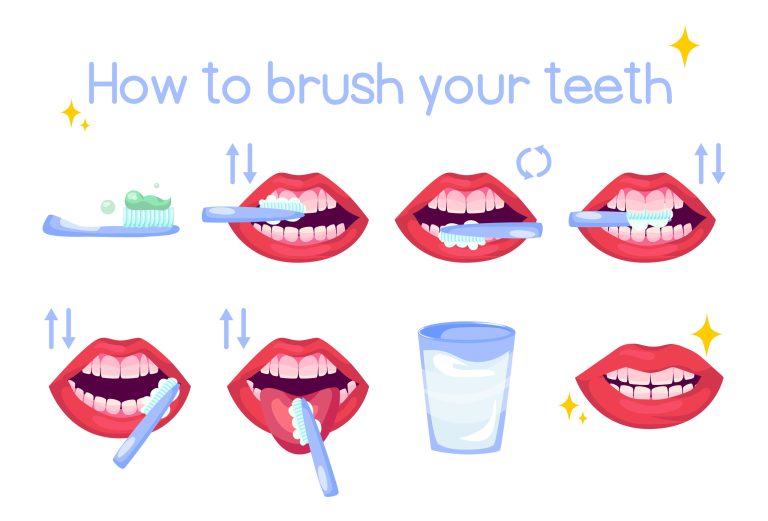
Maintaining good oral hygiene doesn’t require complex tools, but it does require consistency and the right technique. Here is the gold standard for daily care.
It is not just about how often you brush, but how you brush.
Flossing is essential because brushing alone cleans only about 60% of tooth surfaces. It removes plaque and food debris from tight spaces between teeth and below the gumline where a toothbrush cannot reach.
Recommended Frequency
Floss at least once daily, ideally before bedtime to remove accumulated debris from the day.
Proper Flossing Technique
Your tongue is a sponge for bacteria. Daily tongue cleaning removes odour-causing bacteria and helps prevent bad breath. You can use the bristles of your toothbrush or a dedicated tongue scraper for more effective cleaning.
Antimicrobial mouthwashes can reduce bacterial activity and plaque buildup, while fluoride rinses help prevent tooth decay. However, mouthwash should be an addition to, not a substitute for, brushing and flossing. When choosing toothpaste, ensure it contains fluoride, which helps strengthen enamel and prevent early signs of tooth decay.
What you put in your mouth is just as important as how you clean it. Your dietary choices can either fortify your teeth or accelerate decay.
Bacteria in your mouth thrive on sugar. They convert sugars and starches into acids that attack tooth enamel. Frequent snacking on sugary foods keeps your teeth under constant acid attack. Similarly, acidic foods and beverages (such as citrus fruits, soft drinks, and wine) can erode enamel over time, making teeth more sensitive and prone to decay.
Saliva is your mouth’s natural defence system. It washes away food particles and neutralises acids produced by bacteria. Drinking plenty of water, especially fluoridated tap water, helps maintain saliva flow and protects your teeth.
Dental needs change as we age. Tailoring your approach to your life stage ensures lifelong oral health.
Oral care begins before the first tooth appears. Wipe a baby’s gums with a clean, damp washcloth daily. Once teeth erupt, start brushing with a soft, infant-sized toothbrush.
As we age, fillings may weaken or crack, and gums may begin to recede. Adults should focus on maintaining gum health and monitoring for signs of gingivitis. Stress can also lead to teeth grinding (bruxism), which wears down enamel; a night guard may be necessary if you grind your teeth at night.
Ageing can bring specific challenges, such as dry mouth (often a side effect of medication) or difficulty using dental tools due to arthritis.
Prevention is always better and less expensive than a cure.
Your dentist may recommend professional fluoride treatments during check-ups to strengthen enamel. For children (and some adults prone to cavities), dental sealants are a highly effective preventive measure. These thin, protective coatings adhere to the chewing surfaces of back teeth, preventing food and bacteria from entering.
If you or your child plays contact sports such as rugby, hockey, or martial arts, a mouthguard is required. A properly fitted mouthguard cushions a blow to the face, minimizing the risk of broken teeth and injuries to lips, tongue, face, or jaw.
Regular dental visits include screenings for oral cancer and gum disease. Catching these conditions early significantly improves treatment outcomes.
While a good home routine is essential, some issues require a dental visit. Do not delay booking an appointment if you experience:
Oral hygiene is a lifelong commitment that pays dividends for your overall health. By brushing twice daily, flossing, eating a balanced diet, and visiting your dentist regularly, you are doing far more than just preserving your smile. You are protecting your body from inflammation and disease.
Remember, it is never too late to improve your habits. Whether you are 9 or 90, taking proactive steps today will ensure you can eat, speak, and smile with confidence for years to come.
Copyright © 2024 Hello Dental Clinic. All Right Reserved.
475, Jalan Sultan Azlan Shah,
Taman Million,
51200 Kuala Lumpur
Mon-Fri: 09:00-19:00
Sat-Sun: 09:00-17:00
V06-02-05, Signature Retail Lot,
Sunway Velocity,
Lingkaran SV, Jalan Shelley,
55100 Cheras KL
Mon-Fri: 09:30-21:00
Sat-Sun: 09:00-18:00
2-02, Level 2, Wisma Conlay,
No.1, Jalan USJ 10/1,
Taipan Business Centre,
47620 Subang Jaya, Selangor
Mon, Tue, Fri: 10:00-18:30
Wed, Thu: 10:00-21:00
Sat, Sun: 09:00-15:30
G-8, Idaman Robertson,
No. 2, Jalan Robertson,
50150, Kuala Lumpur.
Mon, Thur: 11:00-20:00
Tue, Wed, Fri: 09:30-21:00
Sat, Sun: 10:00-19:00
No. 2-2 (Second Floor),
Jalan Solaris 5,
Solaris Mont Kiara,
50480 Kuala Lumpur
Mon-Fri: 10:00-19:00
Sat-Sun: 10:00-18:00