
Written by Dr. Lim Wei Gin
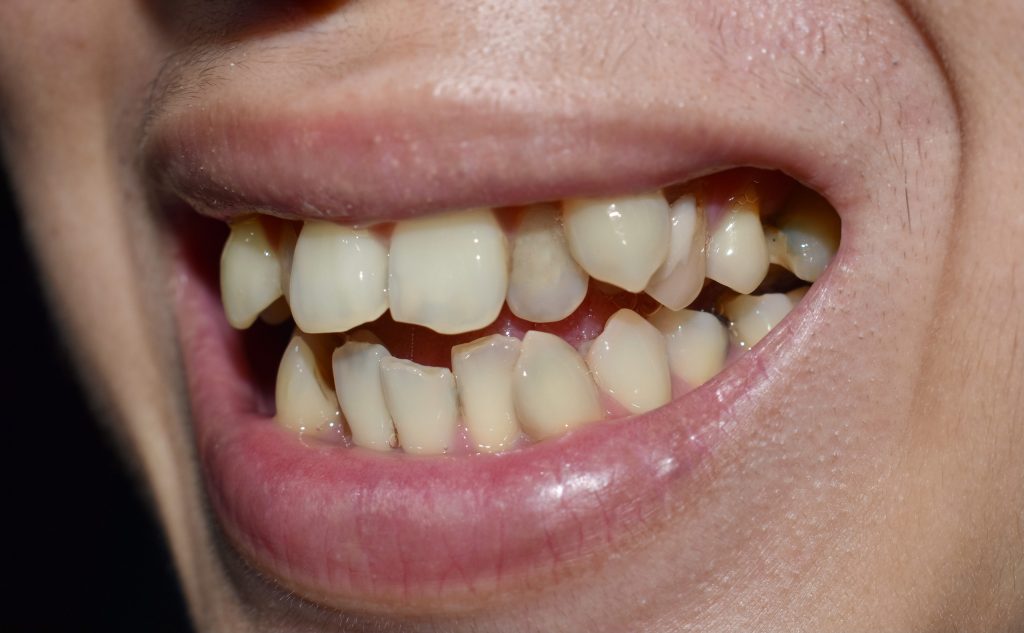
Crooked teeth are common in children today. Studies estimate that more than 50% of children develop some form of bite misalignment, known as malocclusion, during their early years.
However, this pattern appears to have been less common in early human populations and in wild animals. Anthropological research suggests that early human ancestors often developed broader jaws with enough space for teeth to align naturally.
Dental crowding usually occurs when there is not enough space in the jaw for teeth to erupt properly. Modern lifestyle factors such as softer diets, mouth breathing, and oral posture habits during childhood can influence how the jaws develop and how teeth align.
“In clinical practice, we often see children who consume mainly soft or processed foods develop weaker jaw muscles and narrower dental arches, which can increase the risk of crowding.”
— Dr. Lim Wei Gin
Understanding these developmental influences helps explain why dental crowding is more common today and how parents can support healthier jaw growth in their children.
When a child’s adult teeth come in at unusual angles, many people automatically blame genetics. While inherited traits do play a role, they’re only part of the story. How the jaw grows, how the muscles work, and even everyday habits can influence whether teeth line up neatly—or become crowded.
Sometimes crooked teeth happen because of a simple mismatch: a child may inherit large teeth from one parent and a smaller jaw from the other. This leaves less room for teeth to fit comfortably.
But genetics alone doesn’t explain why so many children today develop crowding. Environmental and functional factors such as chewing habits, tongue posture, and breathing also shape the development of teeth and jaws.
The jaw isn’t on autopilot; it develops in response to everyday forces such as chewing, swallowing, and tongue position. Modern diets, which are often soft and processed, don’t provide enough stimulation for the jaw to grow wide and strong.
The roof of the mouth has a natural growth line, called the midpalatal suture, that allows the jaw to expand during childhood. When the tongue rests properly against the palate, and children chew foods that require real effort, this helps activate growth, giving teeth enough space to come in straight.
Habits formed early in life can strongly influence dental alignment:
Baby teeth aren’t just placeholders; they keep space open for adult teeth. Losing a primary tooth too early allows neighboring teeth to drift, blocking permanent teeth from erupting correctly.
On the other hand, if permanent teeth are slow to appear, nearby teeth may shift into the empty spaces, also causing misalignment.
Most parents focus on brushing, flossing, and preventing cavities. However, jaw development also plays an important role in long-term dental health. The way a child’s jaw grows influences tooth alignment, breathing, chewing, and speech.
Although genetics affects tooth and jaw size, everyday habits during childhood can influence how the dental arch develops. The following strategies highlight practical ways to support healthy jaw growth and reduce the risk of crowding.
Jaw muscles and facial bones strengthen through regular chewing. The Masticatory Functional Hypothesis suggests that chewing firmer foods stimulates bone remodeling and supports wider dental arches.
Foods such as raw vegetables, whole fruits, lean meats, nuts, and seeds, when age appropriate, encourage stronger chewing activity. In clinical settings, dentists often observe that children who mainly consume soft processed foods may develop weaker chewing muscles.
Food texture should always match the child’s developmental stage to minimise the risk of choking.
Healthy jaw growth requires adequate nutrition. Nutrients such as calcium, vitamin D, magnesium, and protein support bone mineralisation and muscle development.
Calcium-rich foods include dairy products, leafy vegetables, and fortified plant milks, while vitamin D helps the body absorb calcium. A balanced diet provides the nutrients needed for healthy craniofacial development.
Nasal breathing supports normal facial development. When a child breathes through the nose, the tongue naturally rests against the roof of the mouth, helping guide the upper jaw to develop properly.
Persistent mouth breathing may affect dental arch development. Parents should consider evaluation if children frequently snore, sleep restlessly, or have dark circles under the eyes.
Thumb sucking and pacifier use are common during infancy, but prolonged habits may affect tooth position and the shape of the palate.
Dental organisations generally recommend discontinuing these habits by around age three. When stopped early, minor dental changes often correct naturally as the child grows.
Breastfeeding involves coordinated movements of the tongue, lips, and jaw that help strengthen oral muscles and support dental arch development.
Research suggests that longer breastfeeding duration may be associated with a lower risk of certain bite problems, such as posterior crossbite.
The Malaysian Association of Orthodontists (MAO) and the Malaysian Dental Association (MDA) recommend a first orthodontic evaluation at age seven. By this time, the first permanent molars have usually erupted, forming the “back bite” and allowing a dentist to evaluate the relationship between the jaws and the emerging teeth. Early assessment enables interceptive orthodontics, guiding jaw growth and potentially reducing the need for surgery or extractions later.
The muscles of the tongue, lips, and face influence how teeth and jaws develop. Proper tongue posture, lip seal, and swallowing patterns help maintain balanced pressure on the dental arches.
In some cases, orofacial myofunctional therapy may be recommended to improve oral muscle coordination, particularly when mouth breathing or tongue thrusting is present.
Learn more about how orofacial myofunctional therapy helps improve tongue posture, lip seal, and healthy jaw development.

Even with the best preventive habits, sometimes teeth still need a little extra guidance. Orthodontic treatments can help correct alignment issues and support healthy jaw development, depending on your child’s age, jaw growth, and the severity of crowding.
Early evaluation allows dentists to gently guide the jaw while it’s still growing. Some common options include:
For more noticeable misalignments, braces are highly effective:
These removable trays gradually move teeth into place. They’re discreet and make cleaning easier since they can be taken out for meals and brushing. Clear aligners work best for mild to moderate crowding in children or teens who can wear them consistently.
Soft, removable devices (like Myobrace) help retrain tongue posture, encourage nasal breathing, and address the functional causes of crooked teeth. These exercises, part of myofunctional therapy, can guide proper tongue posture and oral muscle function to support healthy jaw and teeth development.
For children with tongue-tie, a gentle laser procedure can release restrictions, allowing the tongue to move properly. This helps with correct tongue posture, supports upper jaw growth, and improves overall oral function.
1. Cleaning Challenges and Gum Health
Crowded teeth create tight spaces that are difficult to clean, even with careful brushing or flossing. Plaque trapped in these areas can increase the risk of cavities and early-onset gingivitis.
2. Breathing and Sleep Impact
A narrow jaw, which contributes to crowding, can also narrow the nasal passage. This may lead to chronic mouth breathing, poor sleep quality, daytime fatigue, and, in some cases, obstructive sleep apnea. Early correction of jaw width can improve breathing and overall sleep.
3. Wear, Tear, and Jaw Pain
Misaligned teeth do not fit together properly, causing uneven wear, chipped edges, and overworked jaw muscles. Over time, this can result in chronic headaches and TMJ (jaw joint) pain.
4. Speech and Digestion
Proper alignment supports clear speech and efficient chewing. A misaligned bite can hinder the ability to break down food effectively, potentially affecting nutrient absorption and overall digestive health.
Crooked teeth often develop when the jaw does not have enough space for teeth to align naturally. Supporting healthy jaw growth early through proper chewing habits, nasal breathing, and good oral posture can help reduce the risk of severe crowding later in life.
By understanding how the jaw develops, parents can take proactive steps to guide their child’s oral growth. Early intervention, encouraging proper chewing, correcting tongue posture, and supporting nasal breathing can help prevent severe crowding and set the foundation for a lifetime of healthy smiles.
If you have concerns about your child’s jaw growth or tooth alignment, an early orthodontic evaluation can determine whether preventive guidance or interceptive treatment may be beneficial.
Schedule a consultation with Hello Dental to assess your child’s jaw development and explore options that support long-term oral health.
Copyright © 2024 Hello Dental Clinic. All Right Reserved.
475, Jalan Sultan Azlan Shah,
Taman Million,
51200 Kuala Lumpur
Mon-Fri: 09:00-19:00
Sat-Sun: 09:00-17:00
V06-02-05, Signature Retail Lot,
Sunway Velocity,
Lingkaran SV, Jalan Shelley,
55100 Cheras KL
Mon-Fri: 09:30-21:00
Sat-Sun: 09:00-18:00
2-02, Level 2, Wisma Conlay,
No.1, Jalan USJ 10/1,
Taipan Business Centre,
47620 Subang Jaya, Selangor
Mon, Tue, Fri: 10:00-18:30
Wed, Thu: 10:00-21:00
Sat, Sun: 09:00-15:30
G-8, Idaman Robertson,
No. 2, Jalan Robertson,
50150, Kuala Lumpur.
Mon, Thur: 11:00-20:00
Tue, Wed, Fri: 09:30-21:00
Sat, Sun: 10:00-19:00
No. 2-2 (Second Floor),
Jalan Solaris 5,
Solaris Mont Kiara,
50480 Kuala Lumpur
Mon-Fri: 10:00-19:00
Sat-Sun: 10:00-18:00