
A narrow upper jaw can be associated with dental crowding, bite misalignment, and restricted nasal space. These structural characteristics may influence both oral function and overall facial balance.
MARPE is an orthodontic approach used in adolescents and adults to expand the upper jaw by applying controlled force directly to the palatal bone. The appliance is designed to create skeletal expansion rather than relying solely on tooth movement.
This treatment is typically considered when the upper jaw lacks sufficient width and conventional tooth-borne expanders are not suitable.
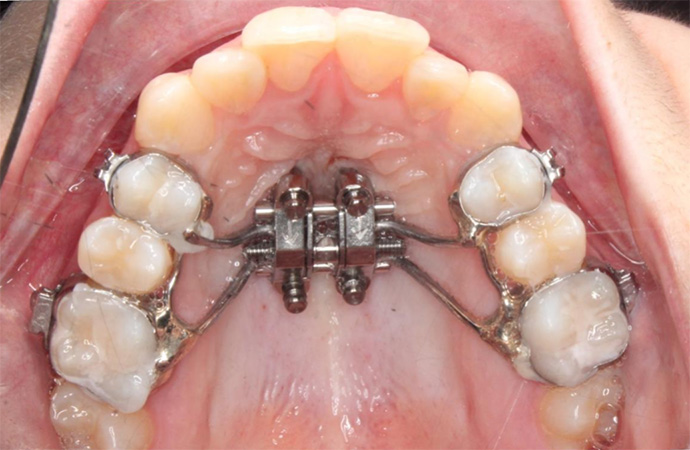
MARPE (Miniscrew Assisted Rapid Palatal Expansion) is an orthodontic treatment used to widen the upper jaw by applying controlled force directly to the palatal bone.
Unlike traditional expanders, which rely mainly on teeth, MARPE is anchored to the bone, making it suitable for adolescents and adults who require skeletal expansion.
MARPE works by securing an expansion appliance to the palate using mini-implants (temporary anchorage devices). These implants anchor the expander directly to the palatal bone, allowing force to be delivered efficiently to the midpalatal suture.
A central expansion screw is activated gradually, applying outward pressure that separates the midpalatal suture. As this natural seam opens, new bone forms in the gap, resulting in true skeletal widening of the upper jaw rather than simple outward tipping of the teeth.
The MARPE process follows structured stages, from assessment to final alignment.
A comprehensive examination is performed using 3D scans or CBCT imaging to evaluate the palatal suture, bone thickness, and overall suitability for MARPE.
A customised treatment plan is created based on these findings.
Step 2: Device Placement
Placement typically takes 20–60 minutes and is done under local anaesthesia to numb the roof of the mouth.
Using digital planning, the mini-implants are positioned precisely into the palate, and the expander is secured.
Most patients experience pressure rather than pain during the procedure.
Step 3: Active Expansion Phase
After placement, the expansion screw is activated at home following professional instructions:
A temporary gap between the front teeth may appear, indicating successful expansion.
Mild pressure or tingling sensations are common and usually short-lived.
This phase generally lasts 4–8 weeks.
Step 4: Consolidation Period
Once the target expansion is reached, activation stops, but the expander remains in place for 4–6 months.
During this period, new bone stabilises the expanded area, reducing the risk of relapse.
Regular follow-ups ensure proper healing and progress.
Step 5: Final Alignment with Braces or Invisalign
After consolidation, the expander is removed.
Most patients continue with braces or clear aligners to align teeth within the newly widened arch.
This phase typically lasts 12–24 months and completes the overall orthodontic treatment.
MARPE isn’t for everyone. Certain factors determine if you’re a good candidate.
Teenagers (13–18 years)
The palatal suture is beginning to fuse but remains responsive, making skeletal expansion more predictable.
Young Adults (18–25 years)
MARPE often remains effective despite increased suture rigidity. Mini-implant anchorage allows sufficient force for expansion.
Adults Over 25
Results vary. Some patients respond well, while others may require surgically assisted expansion (SARPE) if the suture is fully fused.
Imaging, such as CBCT, helps determine suture maturity and predict treatment success.
MARPE may be unsuitable or require prior management in the following cases:
A thorough evaluation ensures the most appropriate treatment is selected. In some cases, alternatives to MARPE may provide safer or more predictable outcomes.
Choosing the right treatment is more important than choosing the fastest option.
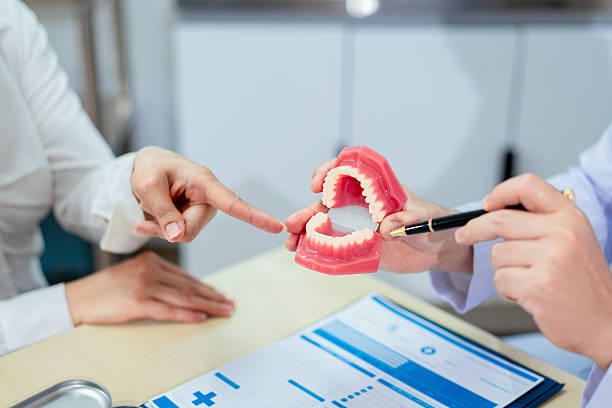
MARPE offers advantages that go beyond straight teeth. Let’s explore the full range of benefits.
Unlike tooth-borne expanders, MARPE creates real bone growth. The expansion happens at the skeletal level. This means results are more stable and permanent.
Your upper jaw actually becomes wider. This isn’t just tooth movement. Every change is structural, a lifetime change.
The bone transformations are permanent. Once your jaw is open, it will remain open. This gives you confidence in long-term outcomes.
Crossbites cause uneven wear on teeth. They can lead to jaw pain and TMJ problems. MARPE fixes crossbites by addressing the root cause—a narrow upper jaw.
After treatment, your upper teeth properly overlap your lower teeth. This creates a healthy, functional bite. Chewing becomes easier and more efficient.
Your jaw joints experience less stress. This reduces the risk of chronic pain. Many patients report relief from existing TMJ symptoms.
Crowded teeth used to mean pulling some out. MARPE offers a better solution.
By widening your jaw, MARPE creates the space your teeth need. All your teeth can fit comfortably in their proper positions. No extractions required.
This preserves your full dental arch. Your smile stays complete and natural-looking. You keep all the teeth nature gave you.
A narrow upper jaw affects your facial appearance. You might have a long, narrow face shape. Sunken cheeks are common. Cheekbones may lack prominence.
MARPE expansion improves these features. As your jaw widens, your face becomes more balanced. Cheekbones appear fuller and more defined.
Many patients report looking healthier and more attractive after treatment. The changes are subtle but significant. Friends and family notice the improvement.
This might be MARPE’s most important benefit. Widening your upper jaw expands your nasal cavity, too.
Nasal Breathing Improvements:
Sleep Apnea Reduction:
Research shows MARPE can reduce mild to moderate obstructive sleep apnea. As your airway widens, breathing becomes easier at night.
Patients often report less snoring, deeper and more restful sleep, more energy during the day, and reduced morning headaches.
Better Tongue Posture:
A wider palate gives your tongue more room. Proper tongue posture supports better breathing patterns. This helps both children and adults develop healthier airway function.
The advantages of MARPE extend far into your future:
Investing in MARPE means investing in lifelong wellness.
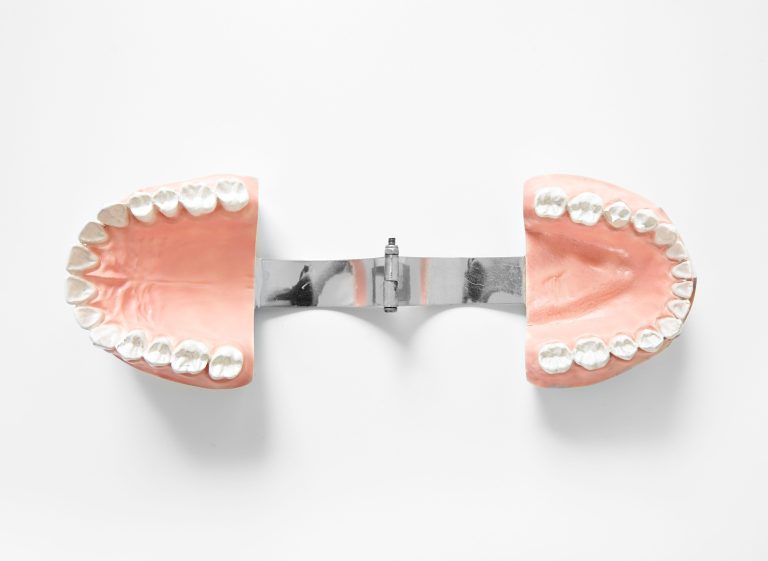
Understanding the differences helps you make an informed choice.
Traditional Rapid Palatal Expanders (RPE)
RPE (Rapid Palatal Expander) devices have been used for decades. They attach to molars and apply pressure through the teeth.
Bands cement onto back teeth. Pressure transfers from teeth to bone. Expansion happens through the palatal suture.
What Makes MARPE Different
MARPE uses bone anchorage instead of tooth pressure. Four titanium screws anchor directly into the palatal bone.
Benefits of Bone Anchorage:
Adult Treatment Capability
This is MARPE’s biggest advantage. Traditional expanders rarely work after age 15. MARPE succeeds in patients well into their twenties and beyond.
Before MARPE, adults needed surgery (SARPE) for expansion. Now, many can avoid surgery entirely.
Like any medical procedure, MARPE comes with potential risks. Most are minor and temporary.
Immediate Side Effects
Short-Term Complications
Good oral hygiene and using a water flosser prevent most problems.
Potential Long-Term Complications
When Surgery Becomes Necessary
Some patients need surgical assistance (SARPE) if MARPE doesn’t work. This happens when the palatal suture is completely fused or when expansion fails.
Most complications are preventable with proper care and regular monitoring, allowing your expander to work effectively and your healing to stay on track.
Proper care ensures the best results and fastest healing.
Clean your mouth thoroughly to prevent inflammation and infection.
Daily routine:
The water flosser is your most important cleaning tool. Point the stream under the expander from different angles.
Take over-the-counter pain relievers like ibuprofen 30 minutes before turning. Apply ice packs to cheeks for 10 minutes if needed.
Foods to avoid:
Best food choices:
Follow your orthodontist’s turning schedule exactly. Turn at the same time each day. Never force the key. If you miss a turn, call your orthodontist for instructions.
MARPE creates permanent skeletal changes. But maintaining those results requires ongoing care.
The Consolidation Phase
After active expansion ends, the expander stays in place for 4 to 6 months. New bone needs time to mature and harden. Don’t rush this phase.
Orthodontic Treatment
Most patients continue with braces or clear aligners after MARPE removal. This aligns teeth within the wider arch and perfects your bite.
Wearing Retainers
After orthodontic treatment, wear retainers as directed. Many patients need lifelong nightly retention to prevent shifting.
Maintaining Oral Health
Brush and floss daily. Visit your dentist every six months for cleanings and check-ups. Avoid grinding teeth or using them as tools.
Monitoring Airway Health
Maintain a healthy weight and manage allergies. If you had sleep apnea, consider a follow-up sleep study to confirm improvement. With proper maintenance, your MARPE results will last a lifetime.
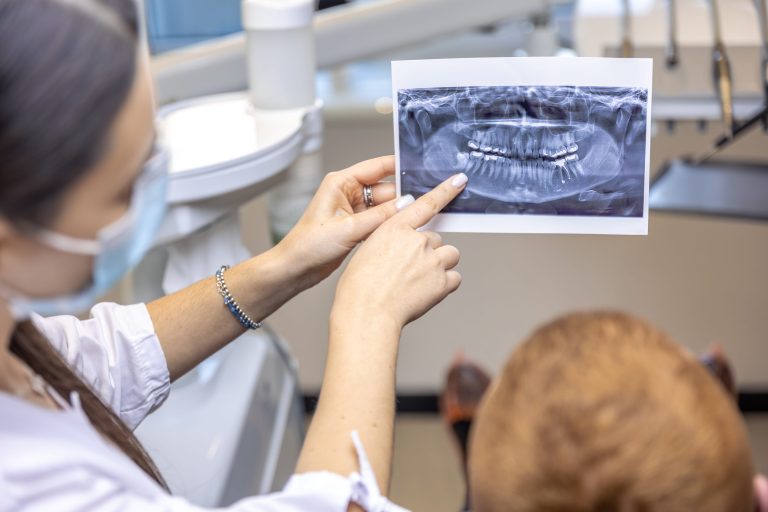
MARPE effectively treats narrow upper jaws, crossbites, and dental crowding in teens and adults by using bone anchorage rather than traditional expanders. Its benefits extend beyond straight teeth; many patients experience improved breathing, better sleep quality, and a more balanced facial appearance.
Success depends on choosing the right candidates and carefully following post-treatment care instructions. If you have a narrow upper jaw affecting your bite or breathing, want to avoid tooth extractions, or struggle with nasal breathing, MARPE may be a suitable solution.
Curious if MARPE is right for you? Schedule a consultation at Hello Dental Clinic, where our team uses advanced imaging to assess your jaw and create a personalized treatment plan designed for your unique needs. Take the step toward a healthier bite and improved overall comfort today.
Copyright © 2024 Hello Dental Clinic. All Right Reserved.
475, Jalan Sultan Azlan Shah,
Taman Million,
51200 Kuala Lumpur
Mon-Fri: 09:00-19:00
Sat-Sun: 09:00-17:00
V06-02-05, Signature Retail Lot,
Sunway Velocity,
Lingkaran SV, Jalan Shelley,
55100 Cheras KL
Mon-Fri: 09:30-21:00
Sat-Sun: 09:00-18:00
2-02, Level 2, Wisma Conlay,
No.1, Jalan USJ 10/1,
Taipan Business Centre,
47620 Subang Jaya, Selangor
Mon, Tue, Fri: 10:00-18:30
Wed, Thu: 10:00-21:00
Sat, Sun: 09:00-15:30
G-8, Idaman Robertson,
No. 2, Jalan Robertson,
50150, Kuala Lumpur.
Mon, Thur: 11:00-20:00
Tue, Wed, Fri: 09:30-21:00
Sat, Sun: 10:00-19:00
No. 2-2 (Second Floor),
Jalan Solaris 5,
Solaris Mont Kiara,
50480 Kuala Lumpur
Mon-Fri: 10:00-19:00
Sat-Sun: 10:00-18:00