
Reviewed by Dr. Jamie Chew, BDS (IMU) · Co-Founder, Hello Dental Clinic · Special interest in dental sleep medicine
Last updated: 11 September 2026
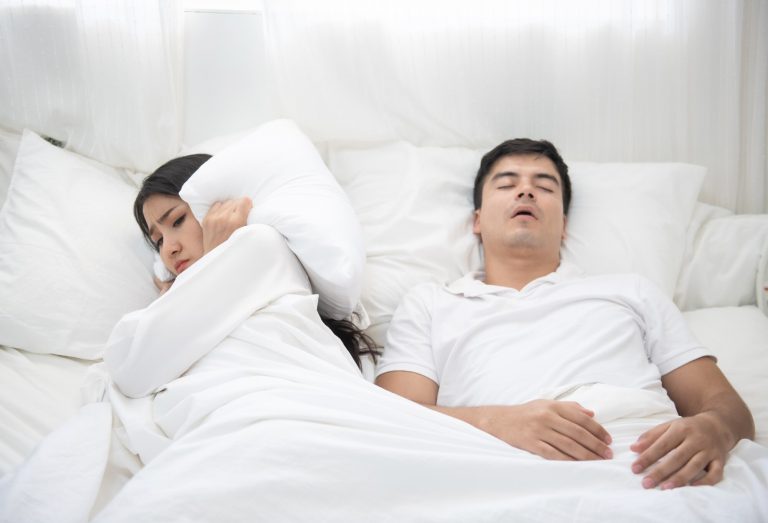
Snoring happens when airflow through your upper airway becomes narrowed during sleep. As air passes through the smaller space, the soft tissues around your nose, mouth and throat can vibrate, creating the familiar snoring sound.
We often laugh about snoring — until it starts disturbing our sleep, affecting how we feel during the day, or keeping our partner awake at night.
Snoring is very common and occasional snoring is not always a cause for concern. However, loud or persistent snoring should not simply be ignored, especially if it is accompanied by other symptoms. In some cases, it may be related to a sleep-related breathing condition such as obstructive sleep apnea (OSA).
So, what actually causes snoring, when should you be concerned, and what can you do about it?
There isn’t just one cause of snoring. Often, several factors may be involved.
Some common causes and contributing factors include:
Other factors, such as enlarged tonsils, the size and position of the tongue and soft palate, smoking, ageing, and certain medications, may also contribute to snoring.
Finding out why you snore matters because the right solution depends on what is narrowing your airway.
Not everyone who snores has sleep apnea.
However, loud and frequent snoring, especially when it comes with other symptoms, may be a warning sign of obstructive sleep apnea (OSA).
OSA happens when the upper airway repeatedly becomes too narrow or blocked during sleep. This can reduce or temporarily stop airflow, causing your body to repeatedly work harder to breathe throughout the night.
Signs to Look Out For
It may be worth getting checked if you or your partner notices:
If you recognise several of these signs, it is better to get assessed rather than simply trying to stop the snoring.
A dentist trained in dental sleep medicine can assess your symptoms, oral structures and jaw relationship to identify factors that may be contributing to airway narrowing. If sleep apnea is suspected, further sleep assessment may be recommended.
For suitable patients, a custom-made oral appliance may also be an option to help position the lower jaw forward and maintain a more open airway during sleep.
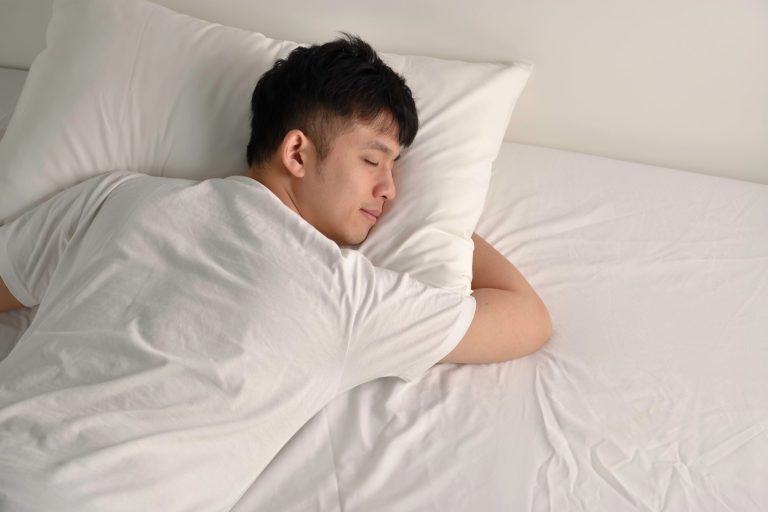
Snoring does not always require surgery or medication. Depending on what is causing your snoring, simple lifestyle changes and sleep habits may help reduce it.
Snoring is often worse when sleeping on your back, as the tongue and soft tissues can fall backwards and narrow the airway.
Try sleeping on your side instead. A body pillow or positional pillow may help you stay in this position more comfortably throughout the night.
Slightly elevating your upper body during sleep may help reduce snoring for some people by improving the position of the airway.
Instead of simply stacking several pillows, consider using a wedge pillow or an adjustable bed to elevate your upper body comfortably.
Alcohol relaxes the muscles around the throat and may make snoring worse.
If you snore, try avoiding alcohol for at least a few hours before bedtime and see whether your snoring improves.
Smoking can irritate and inflame the tissues of the nose and throat, which may contribute to snoring.
Reducing or quitting smoking can benefit not only your breathing and sleep, but your overall health as well.
If your snoring is related to a blocked or narrow nasal passage, over-the-counter nasal strips or internal nasal dilators may make nasal breathing easier.
However, they may not help much if the main obstruction is further back in the throat or airway.
Staying adequately hydrated helps prevent your mouth and throat from becoming excessively dry during the night.
Rather than aiming for a fixed number of glasses, drink enough water throughout the day to stay well hydrated, as individual needs can vary.
Being overly tired or sleep-deprived may worsen snoring in some people.
Try to maintain regular sleeping and waking times and make sure you are getting enough sleep each night.
If dry air irritates your nose or throat, a humidifier may make sleeping more comfortable.
If you frequently experience a blocked nose due to allergies or other nasal problems, addressing the underlying cause may also help. Persistent nasal blockage may require further assessment.
For some people, snoring is related to the position of the lower jaw and tongue during sleep.
A mandibular advancement device (MAD) is a custom-made oral appliance that gently positions the lower jaw forward during sleep. This can help create more space behind the tongue and keep the airway more open.
A dentist trained in dental sleep medicine can assess your teeth, bite and jaw relationship to determine whether an oral appliance may be suitable for you.
If obstructive sleep apnea is suspected, a proper sleep assessment is important before deciding on treatment.
Some sedative medications can relax the muscles around the airway and may worsen snoring or sleep-related breathing problems.
However, do not stop prescribed medication on your own. If you notice that your snoring becomes worse after taking sleeping pills or sedatives, speak to your doctor about it.
Certain tongue and mouth exercises form part of myofunctional therapy (MFT), which focuses on improving the strength, coordination and resting position of the muscles around the tongue and upper airway.
Here are a few simple exercises that we commonly teach:
Place your whole tongue against the roof of your mouth and create a gentle suction so that the tongue stays “stuck” to the palate.
Hold the position for several seconds, relax, and repeat.
This exercise helps practise tongue-to-palate posture and control.
Gently place the tip of your tongue between your front teeth and hold it in position.
Keeping the tongue in place, practise swallowing.
The movement should be gentle — do not bite hard on the tongue.
Stick your tongue straight out and up towards the ceiling as far as comfortably possible while keeping it controlled.
Hold briefly, relax, and repeat.
These exercises are examples of movements that may be incorporated into a myofunctional therapy program. The appropriate exercises may differ from person to person, depending on their tongue posture, oral muscle function and the possible cause of their snoring.
Myofunctional therapy may help reduce snoring in some people, but it is not a replacement for proper assessment when obstructive sleep apnea is suspected.

During sleep, the muscles around the tongue and throat naturally relax. In some people, this can cause the upper airway to become narrower, allowing the surrounding tissues to vibrate and produce snoring.
Jaw position can also play a role. For example, a smaller or retruded lower jaw may leave less space for the tongue and contribute to narrowing of the airway during sleep.
A mandibular advancement device (MAD) is a custom-made oral appliance worn during sleep. It gently holds the lower jaw in a forward position, which can also bring the tongue forward and create more space in the upper airway.
For suitable patients, this may help reduce snoring and improve airflow during sleep.
Who May Benefit from an Oral Appliance?
An oral appliance may be considered for:
Because loud and frequent snoring can be a sign of obstructive sleep apnea, a sleep assessment may be recommended before an oral appliance is made.
Key Benefits
Are There Any Side Effects?
Some people may experience temporary jaw or tooth discomfort, increased saliva or dry mouth when they first start wearing an oral appliance.
With long-term use, changes to the teeth or bite can sometimes occur. Regular dental follow-up is important so that your dentist can monitor your teeth, bite and jaw joints and make adjustments when necessary.
Dentists trained in dental sleep medicine understand the relationship between the teeth, bite, jaw position and surrounding oral structures.
They can assess whether your teeth and jaw are suitable for an oral appliance, provide a custom-fitted and adjustable device, and monitor your oral health throughout treatment.
The Ministry of Health Malaysia’s Clinical Practice Guidelines on the Management of Obstructive Sleep Apnoea include mandibular advancement appliances as one of the treatment options for OSA.
International guidelines from the American Academy of Sleep Medicine (AASM) and American Academy of Dental Sleep Medicine (AADSM) also support oral appliance therapy for adults with primary snoring and for appropriate patients with OSA, including those who are unable to tolerate CPAP or prefer an alternative treatment.
Snoring can have many different causes, so there is no single treatment that works for everyone.
Simple changes such as sleeping on your side, reducing alcohol before bedtime and managing nasal congestion may help some people.
If your snoring continues despite these changes, it may be worth finding out what is causing it. Depending on the underlying cause, treatment may involve lifestyle changes, management of nasal obstruction, oral appliance therapy or other medical treatments.
If you are concerned about your snoring, our dentists can assess your oral and jaw structures and discuss whether an oral appliance may be suitable for you. If obstructive sleep apnea is suspected, further sleep assessment may also be recommended.
Copyright © 2024 Hello Dental Clinic. All Right Reserved.
475, Jalan Sultan Azlan Shah,
Taman Million,
51200 Kuala Lumpur
Mon-Fri: 09:00-19:00
Sat-Sun: 09:00-17:00
V06-02-05, Signature Retail Lot,
Sunway Velocity,
Lingkaran SV, Jalan Shelley,
55100 Cheras KL
Mon-Fri: 09:30-21:00
Sat-Sun: 09:00-18:00
2-02, Level 2, Wisma Conlay,
No.1, Jalan USJ 10/1,
Taipan Business Centre,
47620 Subang Jaya, Selangor
Mon, Tue, Fri: 10:00-18:30
Wed, Thu: 10:00-21:00
Sat, Sun: 09:00-15:30
G-8, Idaman Robertson,
No. 2, Jalan Robertson,
50150, Kuala Lumpur.
Mon, Thur: 11:00-20:00
Tue, Wed, Fri: 09:30-21:00
Sat, Sun: 10:00-19:00
No. 2-2 (Second Floor),
Jalan Solaris 5,
Solaris Mont Kiara,
50480 Kuala Lumpur
Mon-Fri: 10:00-19:00
Sat-Sun: 10:00-18:00