
A cavity is a permanently damaged area of a tooth caused by tooth decay. It develops when bacteria in plaque produce acids that gradually weaken the enamel. Without treatment, the decay can spread into deeper layers of the tooth, causing sensitivity, pain, infection and, in severe cases, tooth loss.
Cavities don’t always cause symptoms in the early stages, so you may have tooth decay without knowing it. Understanding what causes cavities, how they develop, their symptoms and stages, and how they can be treated and prevented, can help stop the decay from progressing.
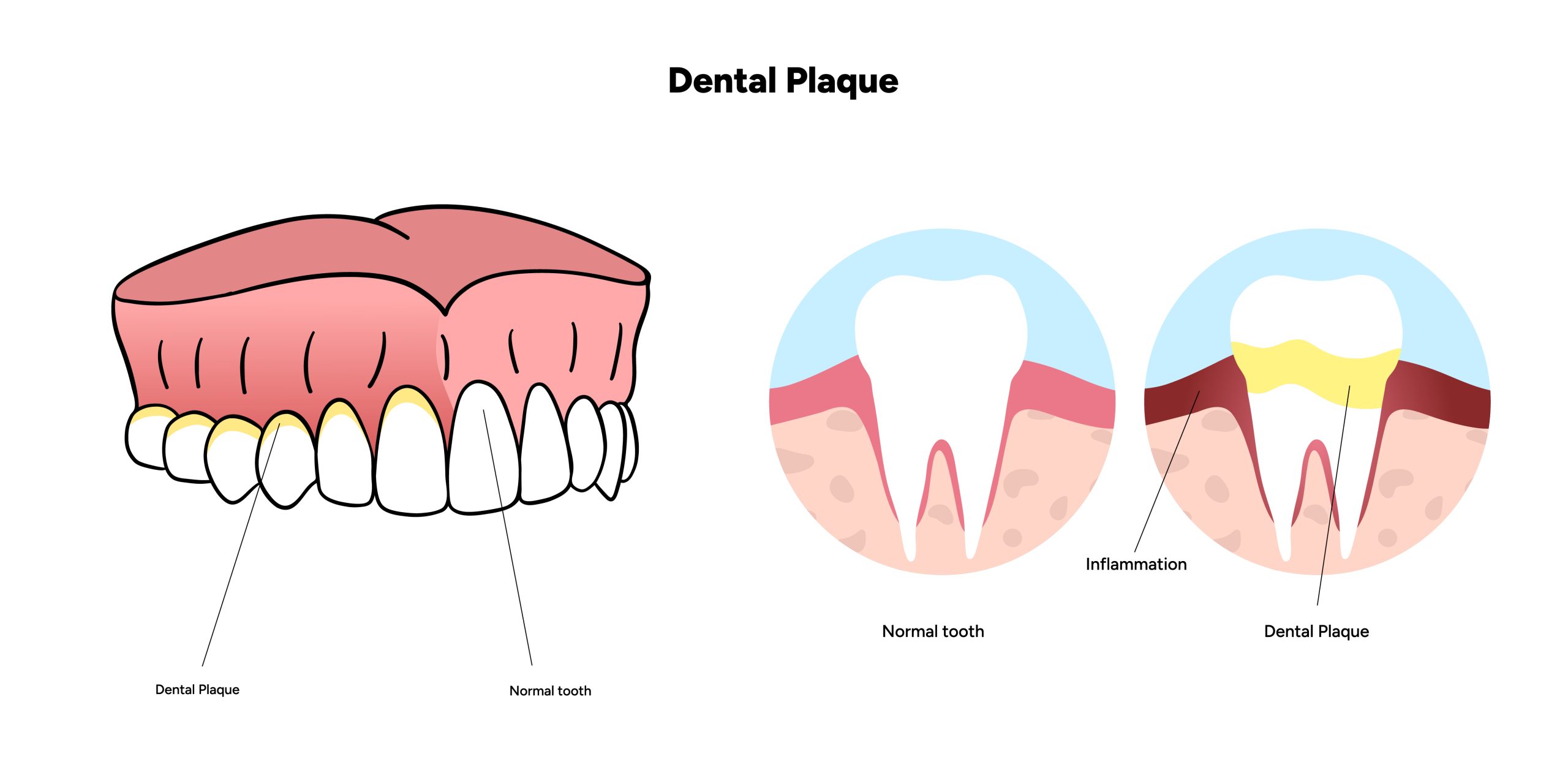
It starts with plaque — the sticky film that naturally builds up on your teeth.
When you eat or drink something sugary or starchy, bacteria in plaque use those carbohydrates and produce acids. These acids gradually remove minerals from the enamel, weakening the tooth.
The process can be simplified as:
Plaque → Bacteria → Acid → Mineral Loss → Tooth Decay → Cavity
Your saliva and fluoride can help replace some of the minerals lost from the enamel. But when acid attacks happen frequently, mineral loss can eventually exceed repair. The enamel becomes weakened, and a cavity can form.
Early mineral loss is not necessarily the same as a cavity.
At the earliest stage, the enamel may show signs of demineralisation but still be intact. With appropriate fluoride and oral care, this early damage may be stopped or reversed.
Once a physical hole has formed in the tooth, however, the lost tooth structure cannot grow back and usually requires dental treatment.
Sugar is a big factor, but it’s not the only one. Here are the common culprits:
Cavities can develop in different parts of the tooth, depending on where plaque and bacteria accumulate.
Here’s the thing about cavities — they’re sneaky. In the early stages, there may be no pain at all, though you might notice white or brown spots on your teeth. As they progress, you might notice:
If you experience swelling, pus or severe pain, the decay may have progressed to an infection and should be assessed promptly. Bad breath or a bad taste in the mouth can also occur with advanced decay or infection.
Cavities don’t appear overnight. They develop gradually through these stages:
The outer layer of your tooth starts losing minerals. You might see white or chalky patches. At this early stage, the damage can sometimes still be reversed with good oral hygiene and fluoride.
The enamel is permanently damaged and a small hole begins to form. Once there’s a physical cavity, the lost tooth structure cannot grow back on its own.
Decay moves past the enamel into the softer layer beneath, called dentin. Sensitivity often increases at this stage, and decay can spread more quickly.
The decay reaches the pulp — the inner part of your tooth containing nerves and blood vessels. This is usually when significant pain sets in.
An untreated infection can lead to an abscess, which may cause swelling, a bad taste in the mouth, severe pain, and even fever. A dental abscess requires prompt dental treatment.
Treatment depends on how far the decay has progressed:
Cavities are common in children, including in baby teeth. According to the National Oral Health Survey of Preschool Children (NOHPS), 71.3% of 5-year-olds in Malaysia were reported to have dental caries.
Although baby teeth eventually fall out, untreated decay can still cause pain, affect eating and potentially affect the developing permanent teeth.
Cavity risk can change with age. Gum recession can expose the softer root surfaces, while dry mouth, certain medications and existing fillings or crowns can also increase the risk of decay.
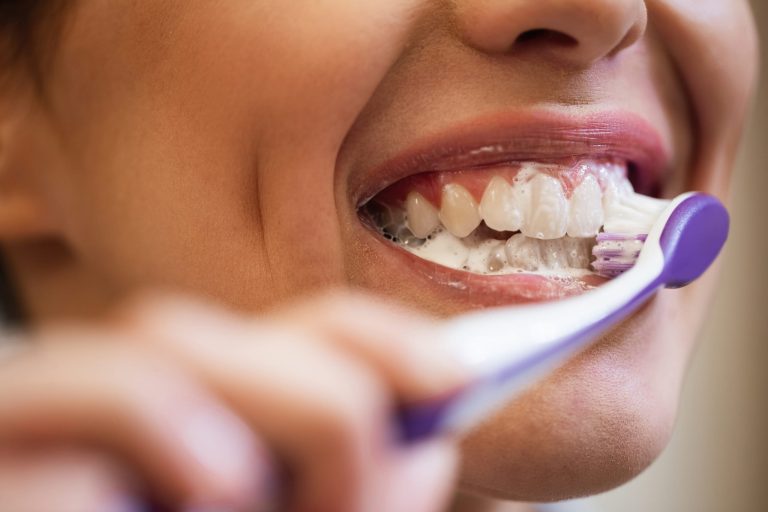
The basics go a long way:
For more tips on maintaining a good daily routine, see our guide to oral care and hygiene.
Cavities can develop without noticeable pain, particularly in the early stages. Regular dental check-ups can help detect decay before it progresses into deeper tooth damage or infection.
If you do develop severe toothache, facial swelling, fever or difficulty swallowing, seek dental care promptly, as these may indicate a more serious infection.
Copyright © 2024 Hello Dental Clinic. All Right Reserved.
475, Jalan Sultan Azlan Shah,
Taman Million,
51200 Kuala Lumpur
Mon-Fri: 09:00-19:00
Sat-Sun: 09:00-17:00
V06-02-05, Signature Retail Lot,
Sunway Velocity,
Lingkaran SV, Jalan Shelley,
55100 Cheras KL
Mon-Fri: 09:30-21:00
Sat-Sun: 09:00-18:00
2-02, Level 2, Wisma Conlay,
No.1, Jalan USJ 10/1,
Taipan Business Centre,
47620 Subang Jaya, Selangor
Mon, Tue, Fri: 10:00-18:30
Wed, Thu: 10:00-21:00
Sat, Sun: 09:00-15:30
G-8, Idaman Robertson,
No. 2, Jalan Robertson,
50150, Kuala Lumpur.
Mon, Thur: 11:00-20:00
Tue, Wed, Fri: 09:30-21:00
Sat, Sun: 10:00-19:00
No. 2-2 (Second Floor),
Jalan Solaris 5,
Solaris Mont Kiara,
50480 Kuala Lumpur
Mon-Fri: 10:00-19:00
Sat-Sun: 10:00-18:00