
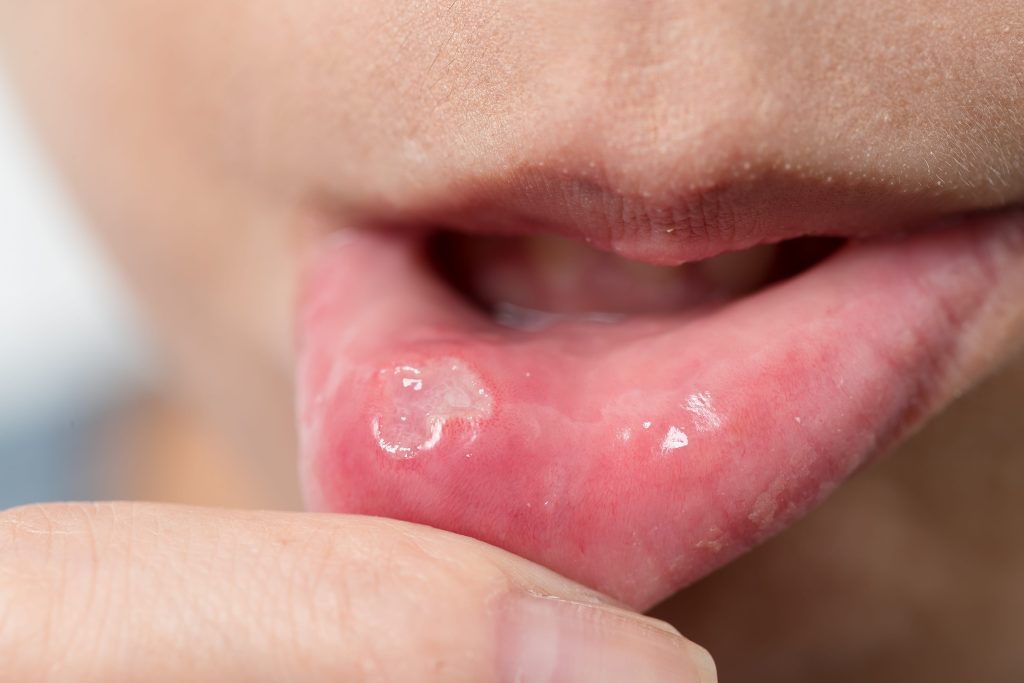
A mouth ulcer is a small, painful sore inside the mouth, usually found on the cheeks, lips, tongue or gums. Most mouth ulcers are harmless and heal on their own within 1 to 2 weeks, although they can cause discomfort when eating, drinking and speaking.
Mouth ulcers can occur for several reasons, including minor injuries, stress or nutritional deficiencies. Understanding the possible causes, how to relieve discomfort and when to see a dentist can help you manage them more effectively.
Mouth ulcers can develop due to various triggers, many of which are related to everyday habits and routines.
Spicy and acidic foods are common triggers. Bird’s eye chillies, sambal, curry and other spicy foods can irritate the soft lining inside the mouth, especially if there is already a small wound or sensitive tissue. Acidic fruits such as pineapple and oranges, as well as some fruit juices, can have a similar effect.
Accidentally biting the inside of your cheek or tongue is another common trigger. This can happen when you eat too quickly or talk while chewing. Minor injuries like these can cause an ulcer to develop.
Other common causes include:
Dehydration can also be a contributing factor, particularly in Malaysia’s hot weather. Not drinking enough water throughout the day can cause dry mouth and make the tissues more prone to irritation.
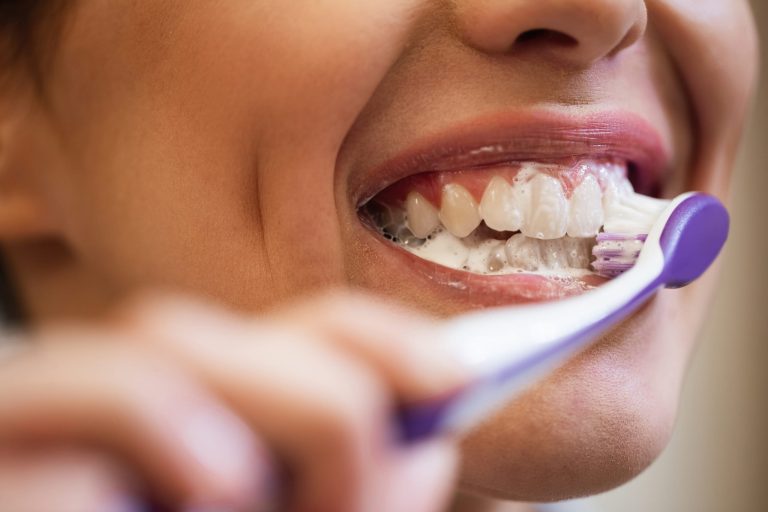
Most mouth ulcers do not require prescription medication to make you more comfortable. Several simple measures can help reduce pain and discomfort while the ulcer heals.
When you have a mouth ulcer, certain foods and habits can make the discomfort worse. Try to avoid:
Merokok juga boleh melambatkan proses penyembuhan, jadi sebaiknya kurangkan atau elakkan merokok ketika mengalami ulser.
Most mouth ulcers heal on their own within 1–2 weeks. You should consider seeing a dentist if your ulcer:
A dentist will examine the ulcer and look for possible causes, such as irritation from braces, dentures, fillings or accidentally biting the inside of the cheek.
If treatment is needed, the dentist may recommend products or medication to help reduce pain and inflammation and support the healing process. If the ulcer is caused by a dental appliance or another source of irritation, the dentist can also help address the underlying cause.
If a mouth ulcer does not heal or keeps recurring, a dental examination can help identify the cause and ensure that you receive appropriate treatment.
Mouth ulcers may be small, but they can interfere with everyday activities. Eating, drinking and speaking can become uncomfortable. The key is to maintain good oral hygiene, avoid known triggers and give the ulcer time to heal.
In most cases, rinsing with salt water, choosing soft foods and allowing the ulcer time to heal are enough. However, if an ulcer lasts for more than three weeks, do not ignore it. A dentist can examine the condition and help identify the cause and appropriate treatment.
Copyright © 2024 Hello Dental Clinic. All Right Reserved.
475, Jalan Sultan Azlan Shah,
Taman Million,
51200 Kuala Lumpur
Mon-Fri: 09:00-19:00
Sat-Sun: 09:00-17:00
V06-02-05, Signature Retail Lot,
Sunway Velocity,
Lingkaran SV, Jalan Shelley,
55100 Cheras KL
Mon-Fri: 09:30-21:00
Sat-Sun: 09:00-18:00
2-02, Level 2, Wisma Conlay,
No.1, Jalan USJ 10/1,
Taipan Business Centre,
47620 Subang Jaya, Selangor
Mon, Tue, Fri: 10:00-18:30
Wed, Thu: 10:00-21:00
Sat, Sun: 09:00-15:30
G-8, Idaman Robertson,
No. 2, Jalan Robertson,
50150, Kuala Lumpur.
Mon, Thur: 11:00-20:00
Tue, Wed, Fri: 09:30-21:00
Sat, Sun: 10:00-19:00
No. 2-2 (Second Floor),
Jalan Solaris 5,
Solaris Mont Kiara,
50480 Kuala Lumpur
Mon-Fri: 10:00-19:00
Sat-Sun: 10:00-18:00